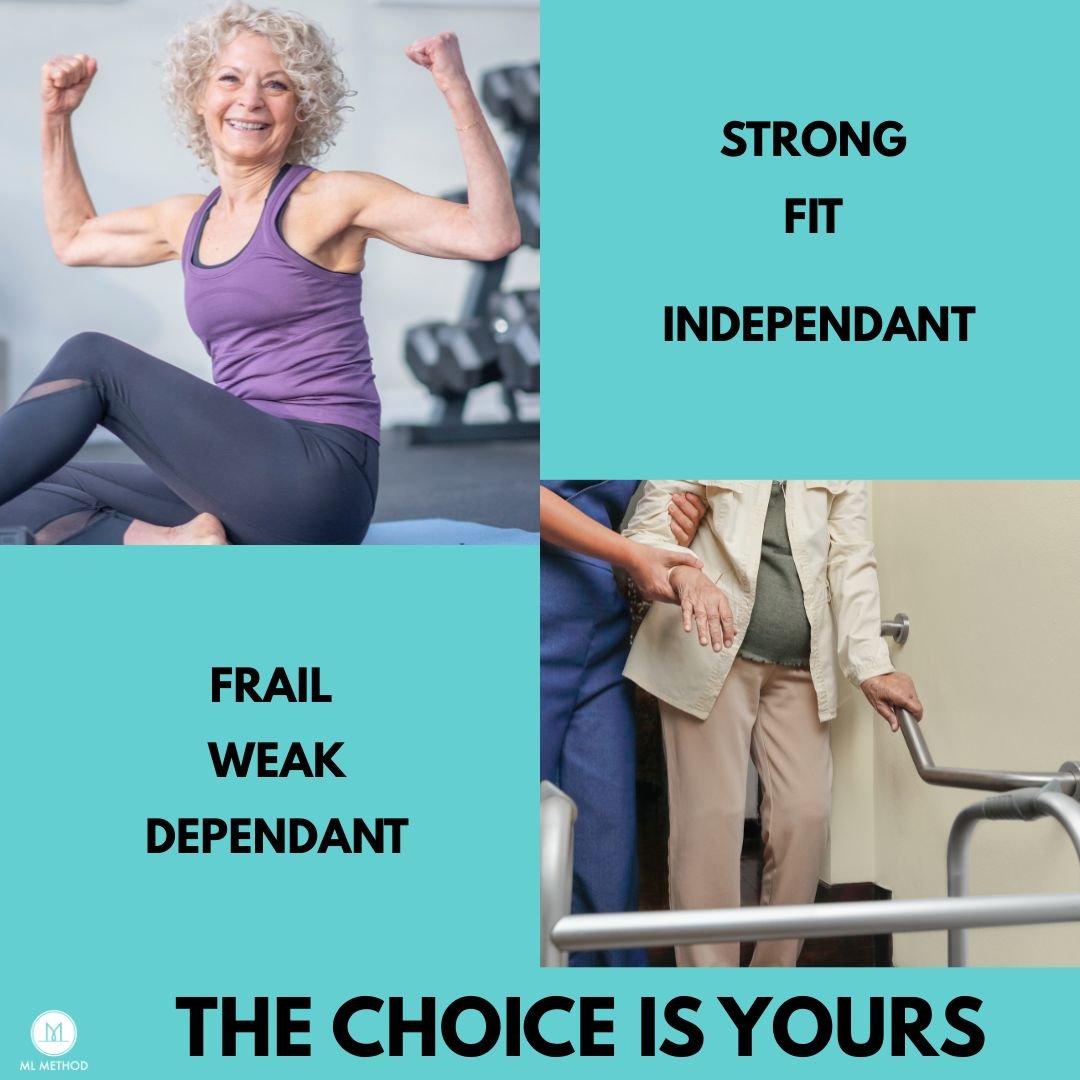

Aging comes with many gifts—wisdom, confidence, and a greater sense of self. But it also brings physiological changes that can impact strength, mobility, and overall health. One of the most effective ways to counteract these changes is through heavy weight training. For women in midlife, lifting heavier weights isn’t just about building muscle—it’s a game-changer for preventing frailty, reducing injury risk, and maintaining independence for years to come.
Why Women in Midlife Need to Lift Heavy
As women age, they experience a natural decline in muscle mass and bone density, leading to increased frailty and a higher risk of falls and fractures. Sarcopenia, the gradual loss of muscle, can begin as early as 30 and accelerate after menopause due to declining estrogen levels. Without intervention, this can result in weakness, poor posture, and decreased mobility.
Heavy weight training (lifting weights that challenge your muscles in the 4–8 rep range) stimulates muscle growth, strengthens bones, and enhances balance—helping to prevent the common pitfalls of aging.
Benefits of Heavy Weight Training for Midlife Women
1. Builds and Preserves Lean Muscle Mass
Muscle loss can lead to frailty and a greater risk of injury. Strength training activates muscle protein synthesis, helping to maintain and build lean mass even as estrogen levels decline. More muscle also means a higher resting metabolic rate, which supports a healthy weight and body composition.
2. Strengthens Bones and Prevents Osteoporosis
Weight-bearing exercises, particularly heavy lifting, increase bone mineral density. This is crucial for preventing osteoporosis, which disproportionately affects women post-menopause. Deadlifts, squats, and overhead presses place mechanical stress on bones, signaling them to grow stronger.
3. Enhances Joint Stability and Injury Prevention
Strong muscles support joints, reducing the likelihood of injuries. Many midlife women experience knee pain, back discomfort, or joint stiffness. Strengthening the muscles around these vulnerable areas can alleviate pain and prevent injuries. For example, strengthening the glutes and quads can protect the knees, while core work stabilizes the spine.
4. Improves Balance and Coordination
Falls are a leading cause of injury in older adults. Heavy lifting trains the neuromuscular system, enhancing coordination and reaction time. Strengthening the posterior chain (back, glutes, hamstrings) improves posture and stability, reducing the risk of falls.
5. Boosts Confidence and Mental Resilience
Lifting heavy builds not just physical strength but mental resilience. The confidence gained from setting and achieving strength goals carries over into daily life, fostering a mindset of capability and empowerment.
How to Start Lifting Heavy Safely
If you’re new to strength training or looking to lift heavier, follow these guidelines:
- Prioritize Proper Form – Work with a coach or trainer to ensure your technique is solid before increasing weight.
- Focus on Compound Movements – Exercises like squats, deadlifts, and presses work multiple muscle groups, maximizing benefits.
- Progress Gradually – Increase weight progressively, ensuring you can complete each lift with good form.
- Allow for Recovery – Strength gains happen during rest. Ensure proper sleep, nutrition, and active recovery.
- Listen to Your Body – Training should challenge you, but pain is not a normal part of the process. Adjust as needed.
Final Thoughts
Midlife is the perfect time to embrace strength training. By lifting heavy, you’re not just building muscle—you’re investing in your long-term health, independence, and quality of life. Whether you’re picking up weights for the first time or leveling up your routine, know that every rep is a step toward resilience, injury prevention, and lifelong vitality.
So go ahead—lift heavy, stay strong, and defy frailty. Your future self will thank you.