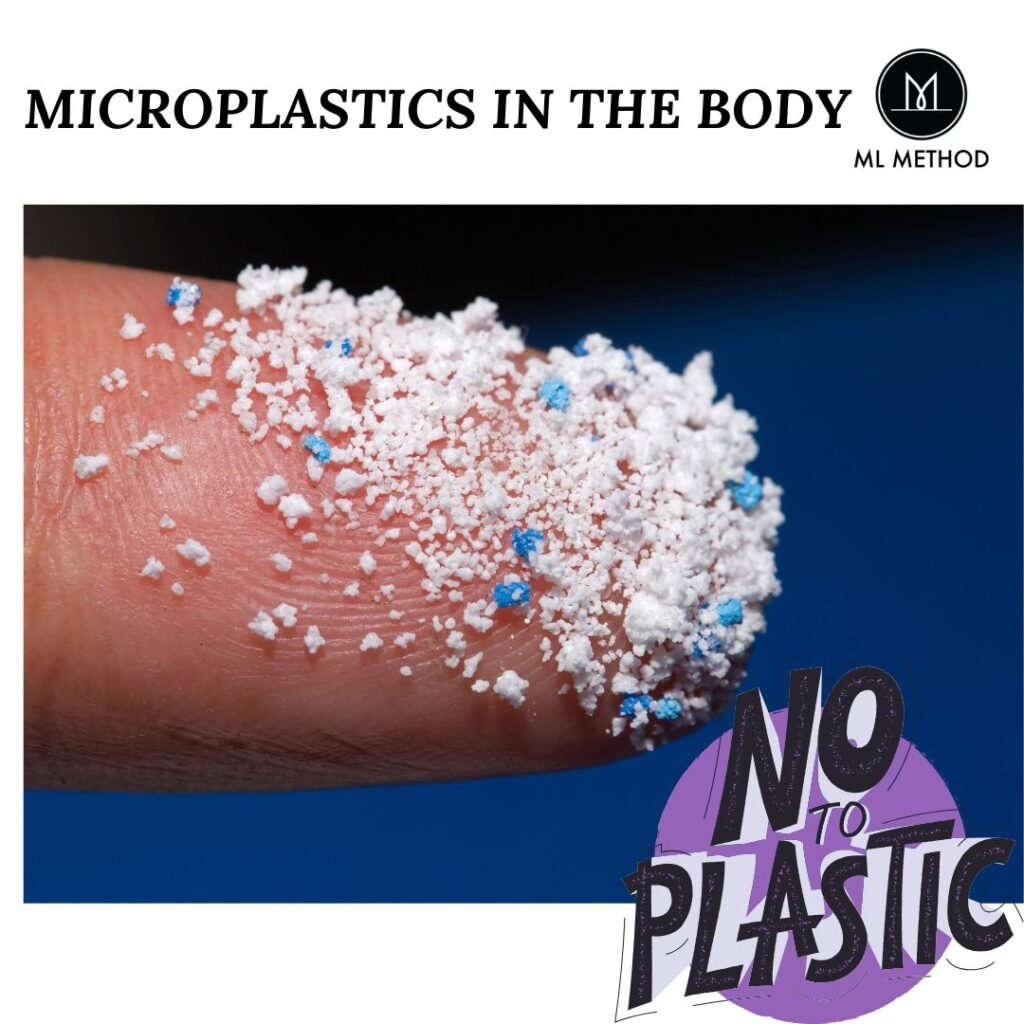
Microplastics are everywhere—our water, food, air, and even inside our bodies. While completely eliminating exposure isn’t realistic, you can significantly reduce your intake with a few smart, immediate changes. The good news? The biggest wins are simple and fast.
1. Upgrade Your Water—This Is the Biggest Lever
Tap and bottled water are major sources of microplastics. Switching to a high-quality water filter can dramatically cut exposure right away. Look for filters that specifically target microplastics (not all do). Glass or stainless steel water bottles are also key—plastic bottles shed particles, especially when exposed to heat.
2. Ditch Plastic Food Storage (Especially for Heat)
Heating food in plastic is one of the fastest ways to increase microplastic exposure. Even “microwave-safe” plastic can release particles. Swap plastic containers for glass or stainless steel, and avoid covering hot food with plastic wrap. This one change alone makes a noticeable difference.
3. Be Strategic About What You Eat
Highly processed and packaged foods tend to contain more microplastics due to packaging and production methods. Focus on whole foods and, when possible, choose items not wrapped in plastic. Seafood can also be a source—mix up your protein choices rather than relying heavily on shellfish.
4. Clean Up Your Kitchen Tools
Plastic cutting boards, utensils, and non-stick pans can all contribute to microplastic exposure. Over time, they degrade and shed particles into food. Switching to wood cutting boards, stainless steel utensils, and ceramic or cast iron cookware is a quick upgrade with long-term benefits.
5. Watch Your Teabags and Coffee
Many tea bags are made with plastic fibers that release microplastics when steeped in hot water. Opt for loose-leaf tea or brands that use paper-only bags. If you use coffee pods, consider switching to stainless steel or paper-filter methods.
6. Rethink Your Laundry Routine
Synthetic fabrics (like polyester and nylon) shed microplastics when washed. You don’t need to overhaul your wardrobe overnight, but using a laundry filter bag or washing clothes less frequently can reduce shedding immediately.
7. Avoid Unnecessary Plastic Contact
Small habits add up. Don’t leave plastic water bottles in hot cars, avoid storing hot leftovers in plastic, and skip plastic utensils when possible. Heat and friction accelerate microplastic release.
The Bottom Line
You don’t need to overhaul your entire lifestyle to make meaningful progress. Focus on the highest-impact areas first: water, food storage, and heat exposure. These changes are simple, practical, and can significantly reduce your microplastic load starting today.